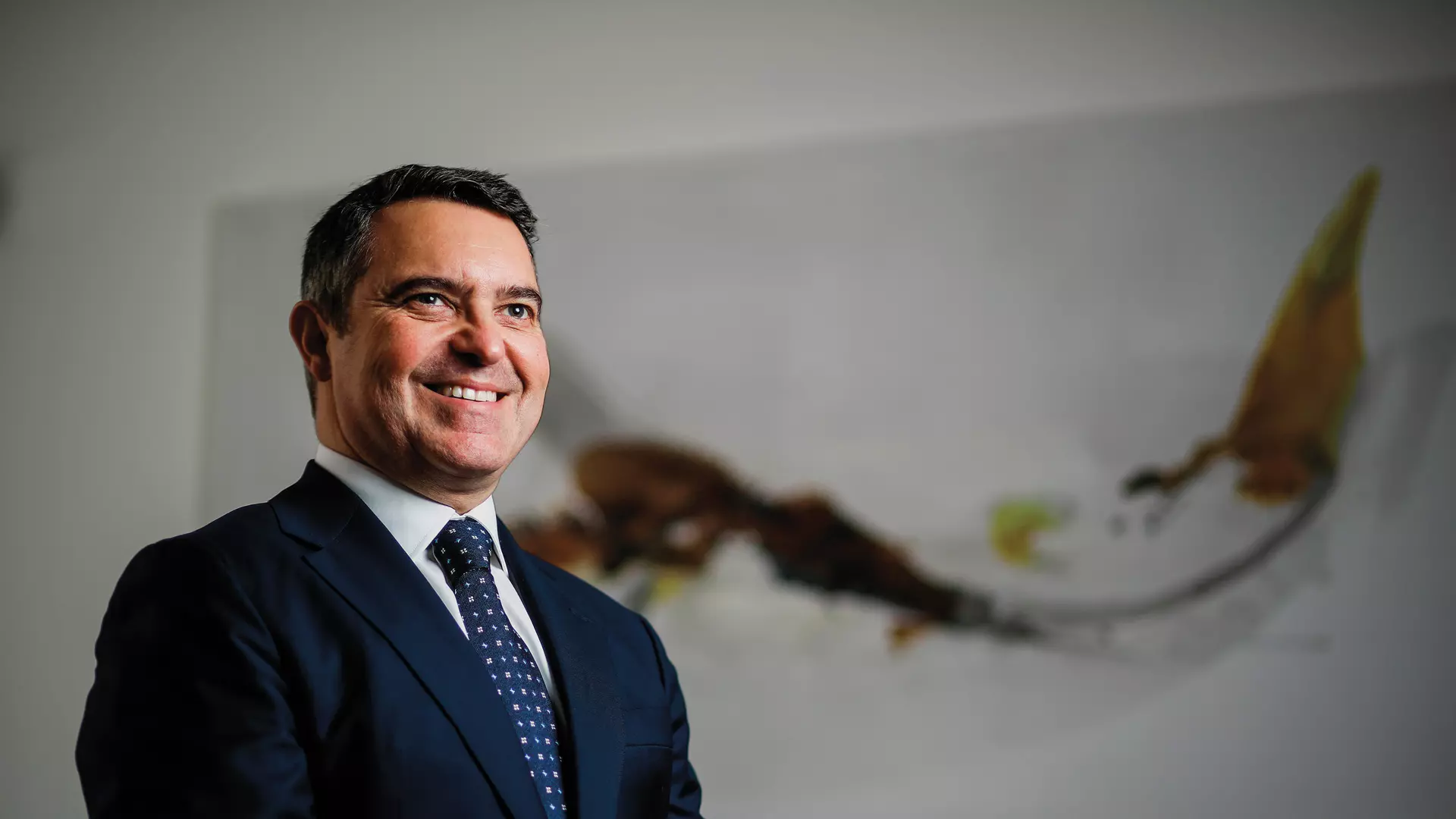

Curtis Cord: A Voice of the Global Olive Oil World
Date
Reading time
5 min
The editor of Olive Oil Times magazine and founder of the prestigious NYIOOC competition is one of the world's leading experts on the quality of olive oil
For years, Curtis Cord has closely followed the global olive oil scene, connecting producers and consumers through initiatives that celebrate excellence and promote a deeper understanding of what truly lies behind drops of a precious oil, very well known in the whole coast of Croatia. He has found particular interesting spot on island of Brač where he is developing an education and experience exchange symposium.
CAN YOU INTRODUCE YOURSELF?
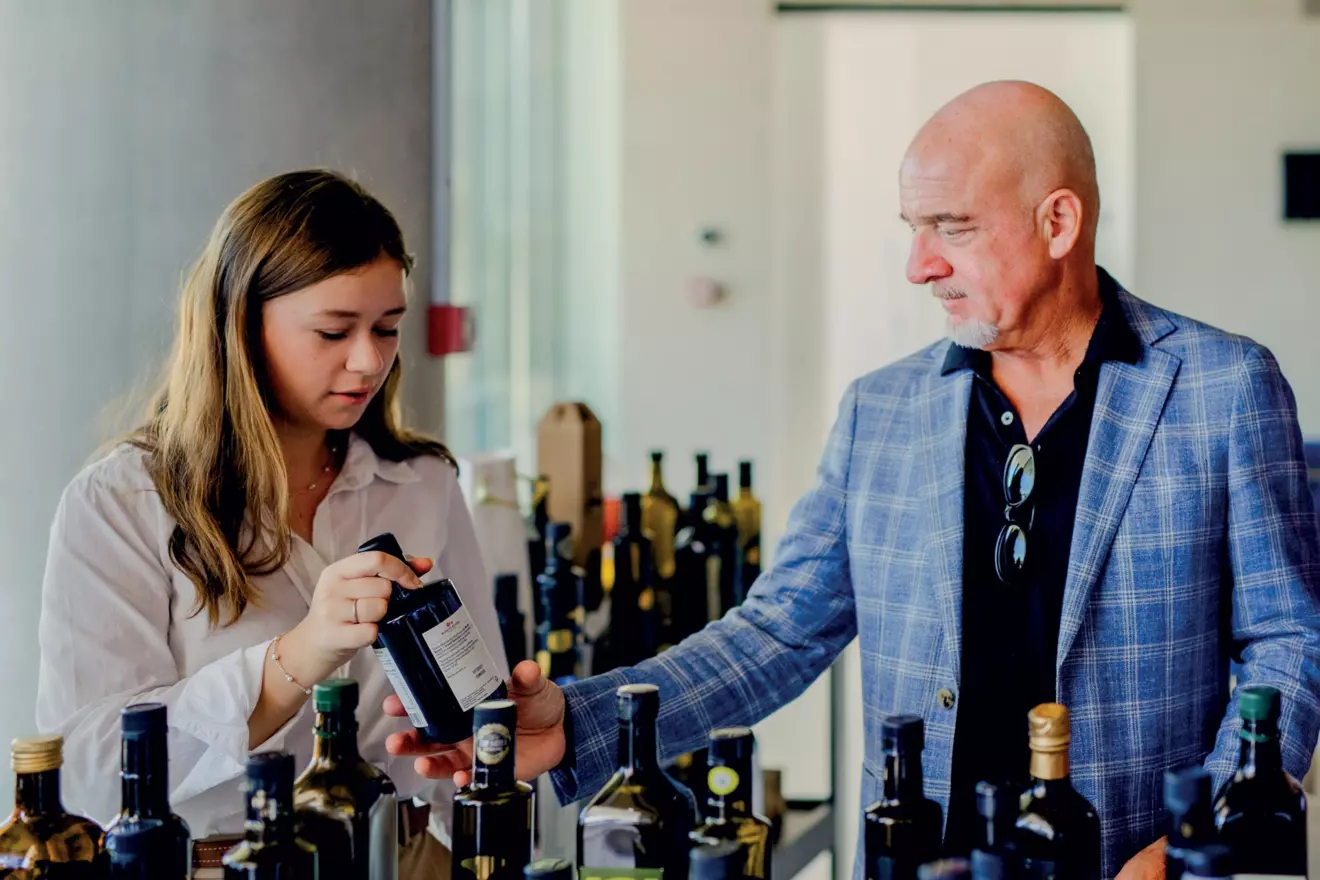
I am the editor-in-chief of Olive Oil Times, the founder and president of the NYIOOC World Olive Oil Competition, and the executive director of the Olive Oil Times Education Lab, where I lead courses on the sensory assessment of olive oil. Through these initiatives, my work focuses on promoting quality, knowledge, and transparency in the olive oil world.
HOW DID YOU COME TO BRAČ AND POSTIRA?
We were invited by Ivana Jelinčić, Director of the Postira Tourist Board. The event had originally been planned years ago but was postponed due to COVID. When she contacted me again recently, we agreed it was finally time to make it happen. I am very glad we did. Brač is a spectacular place, especially for those who appreciate the culture and production of olive oil. You have a relatively small island with five millions of olive trees and a community where olive growing is deeply rooted in everyday life. Almost everyone you meet is somehow connected to it, and it is part of the identity of the island. When you drive across Brač, you also see the challenging terrain and the demanding conditions for cultivation and harvesting. And yet, despite those challenges, producers here manage to create some of the best olive oils in the world.
ARRIVING ON BRAČ AND IN POSTIRA BRINGS YOU TO THE HEART OF THE ISLAND'S OLIVE GROWING. WHAT PERSONALLY INTERESTS YOU MOST ABOUT SUCH LOCAL ENVIRONMENTS?
What fascinates me most is the connection between place, tradition, and people. On islands like Brač, you find very specific micro-locations and native cultivars that exist nowhere else. Brač has become synonymous with its most important variety, Oblica, which is listed as Bračka in the World Catalogue of Varieties. These varieties, together with generations of local knowledge, create oils with a very distinctive character. What makes these environments unique is that olive growing is not concentrated in one large estate. Instead, it is spread across hundreds of small farms and families. The entire landscape is shaped by olive trees and the culture around them. When you visit such places, you really feel that olive oil is not just an agricultural product but an essential part of local life.
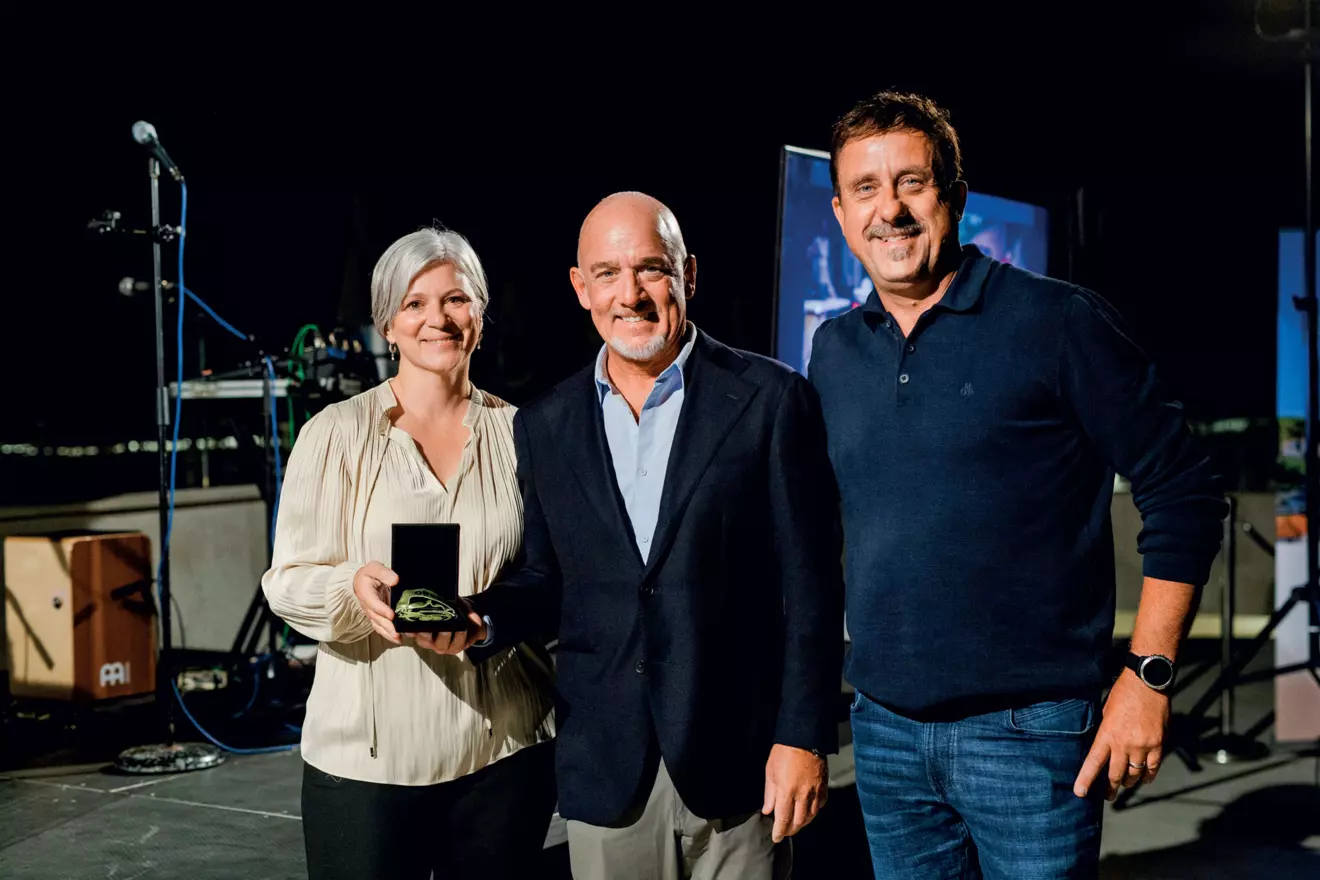
WHAT DOES THE INTERNATIONAL SYMPOSIUM ‘OLIVE OILS OF CROATIA AND THE ADRIATIC COAST’ BRING TO OLIVE GROWERS, BUT ALSO TO THE WIDER PUBLIC? CAN SUCH AN
EVENT CHANGE THE PERCEPTION OF THE REGION ON A GLOBAL LEVEL?
The symposium brought together experts from around the world to discuss topics such as sensory assessment, quality standards, premium brand development, sustainable farming, and the impact of climate change on olive oil production. What was particularly valuable was the exchange of perspectives. Olive oil is a complex subject, and no single person has all the answers. That is why it is important to bring together producers, educators, and experts from different regions and backgrounds. In Brač, we saw a strong enthusiasm among Croatian producers and a real willingness to collaborate and learn from one another. Events like this can be the beginning of long-term cooperation and can help position Croatian olive oil more prominently on the international stage. Croatia is already a very popular tourist destination, but many visitors still do not realise how exceptional Croatian extra virgin olive oil are, as they are very different. The next challenge is to connect those two worlds and introduce these high-quality oils to the people who come to Croatia for other reasons.
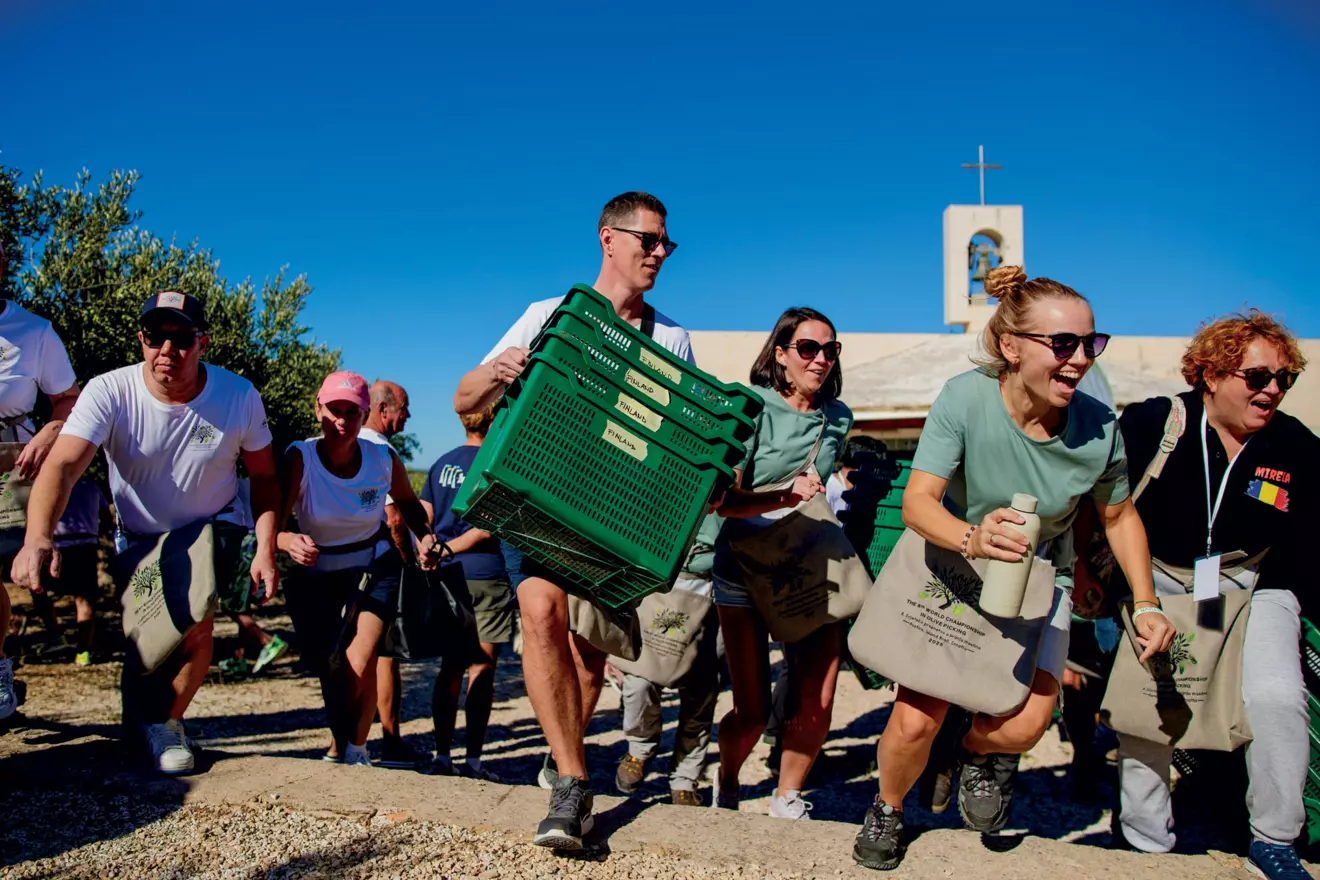
HOW DO YOU VIEW THE WORLD OLIVE PICKING CHAMPIONSHIP?
I love it. I think it is a brilliant idea. Harvesting olives is hard work and usually not something people associate with fun, so turning it into a friendly competition is a wonderful way to celebrate the process. People enjoy competition and storytelling, and events like this bring attention to the work behind olive oil production. It is also a unique concept that we had never seen before, and it is great to see that it continues to grow every year.
WHAT IS THE BIGGEST CHALLENGE IN THE WORLD OF OLIVE GROWING TODAY?
Every year, we conduct the Olive Oil Times Harvest Survey with thousands of producers around the world. The results are very consistent: the two biggest concerns are climate change and the lack of consumer knowledge about olive oil. Climate change brings more extreme weather, soil erosion, biodiversity loss, and increasingly unpredictable harvests. At the same time, producers are working harder than ever to create high-quality olive oil, but many consumers still do not fully understand its value. They see a bottle on the shelf that looks similar to others but costs more, without realising the effort, expertise, and environmental conditions required to produce true extra virgin olive oil.
THERE IS AN ENORMOUS RANGE OF PRODUCTS ON THE MARKET. IN YOUR OPINION, WHAT SHOULD EVERYONE KNOW IN ORDER TO RECOGNIZE TRULY HIGH-QUALITY OLIVE OIL?
First of all, olive oil must be fresh. It is essentially fruit juice, the juice of an olive. Just as you would not drink orange juice that is two years old, you should not consume olive oil that is old. Second, it is important to know the producer or at least be able to identify who produced the oil. And finally, taste matters. High-quality olive oil should remind you of fresh olives or green fruit. A certain level of bitterness and pepperiness is not a flaw; it is actually a sign of quality. Without any bitterness at all, it cannot truly be extra virgin olive oil.
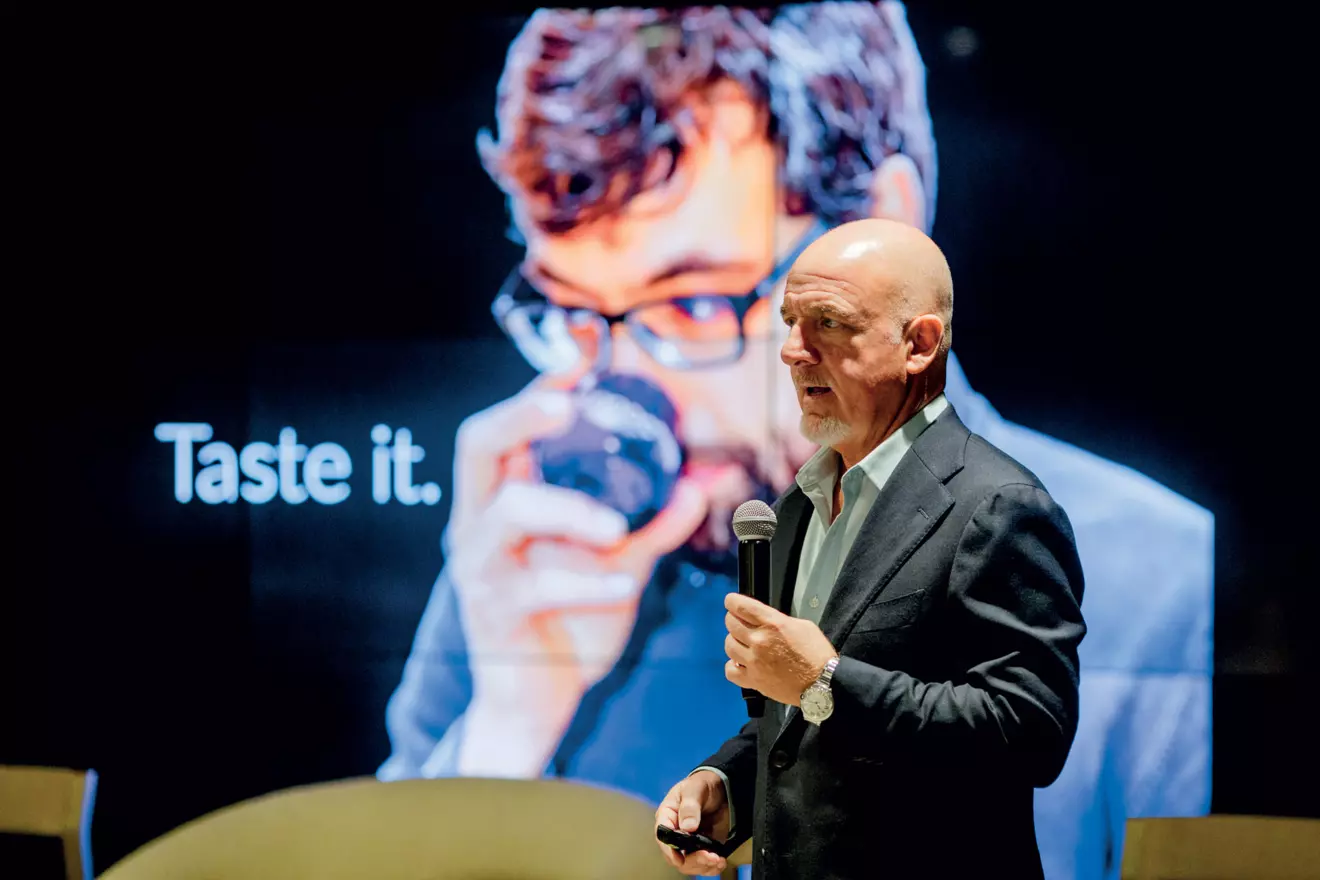
WHAT CONTINUES TO MOTIVATE YOU TO TRAVEL, WRITE, AND SPEAK ABOUT OLIVE OIL?
My motivation is the producers. I have met many of them around the world, and what they do is incredibly demanding and often underappreciated. Producing great olive oil is one of the hardest ways to make a living. It requires knowledge, patience, and a deep commitment to the land. Everything I do, through journalism, competitions, and education, is meant to highlight their work and add value to their product. If there is one goal behind it all, it is to help create a better future for olive oil producers and ensure that their work is properly recognised and rewarded.
Photos Curtis Cord Archive & TZO Postira