Olib Island: Croatia's Best-Kept Secret in the Zadar Archipelago
Date
Reading time
8 min
Few corners of the Adriatic have managed to stay genuinely off the radar. Olib is one of them
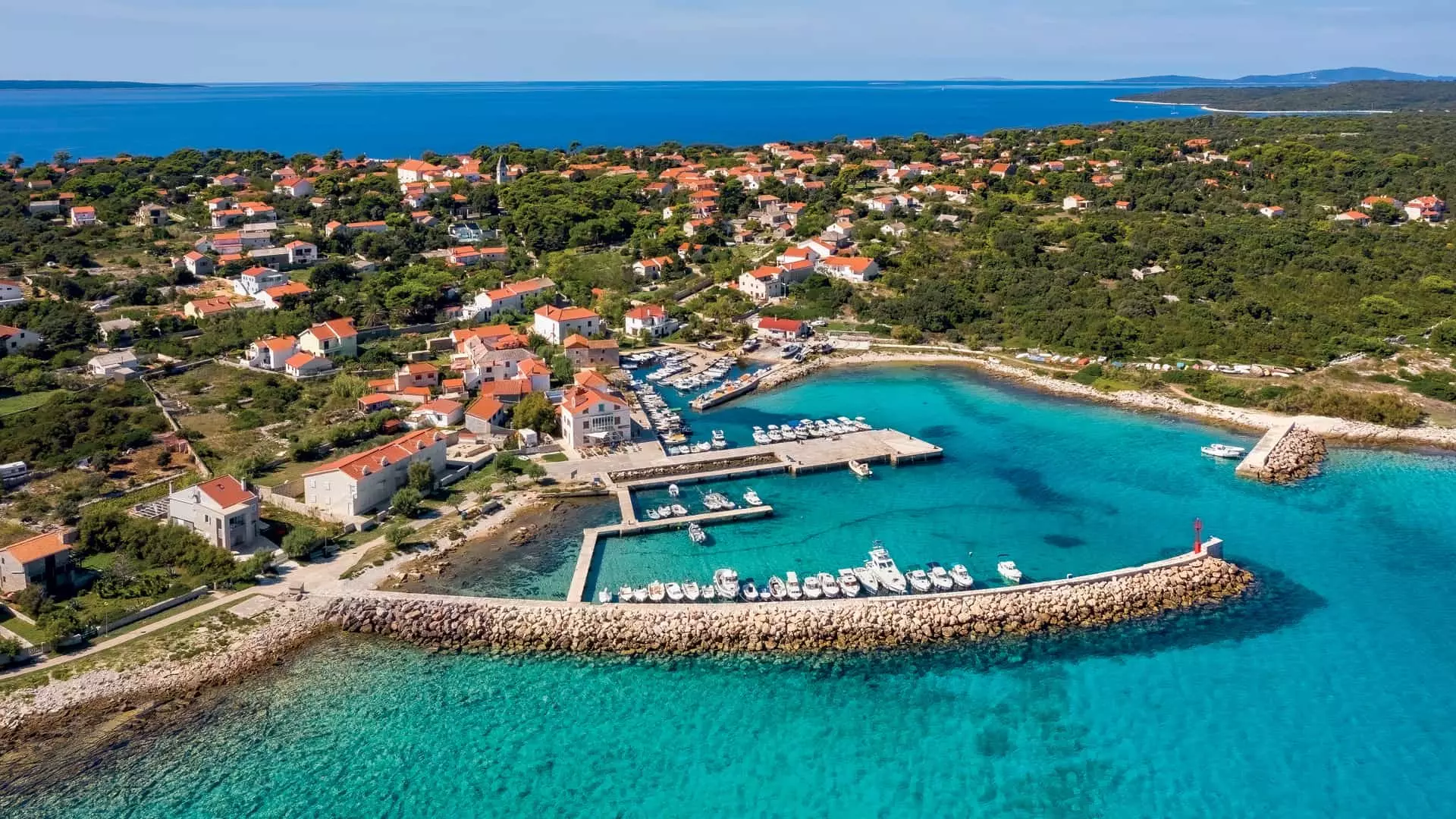
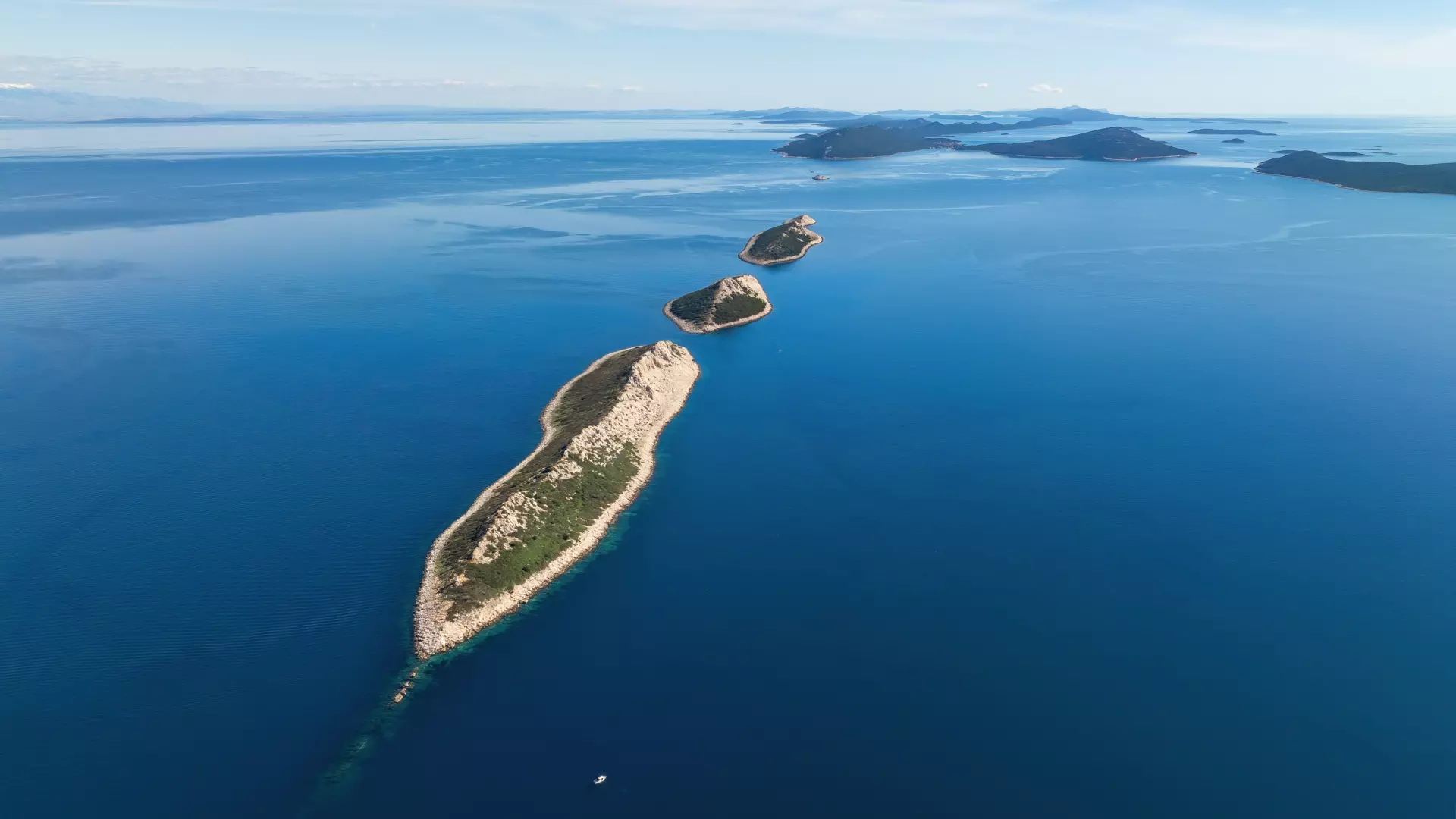
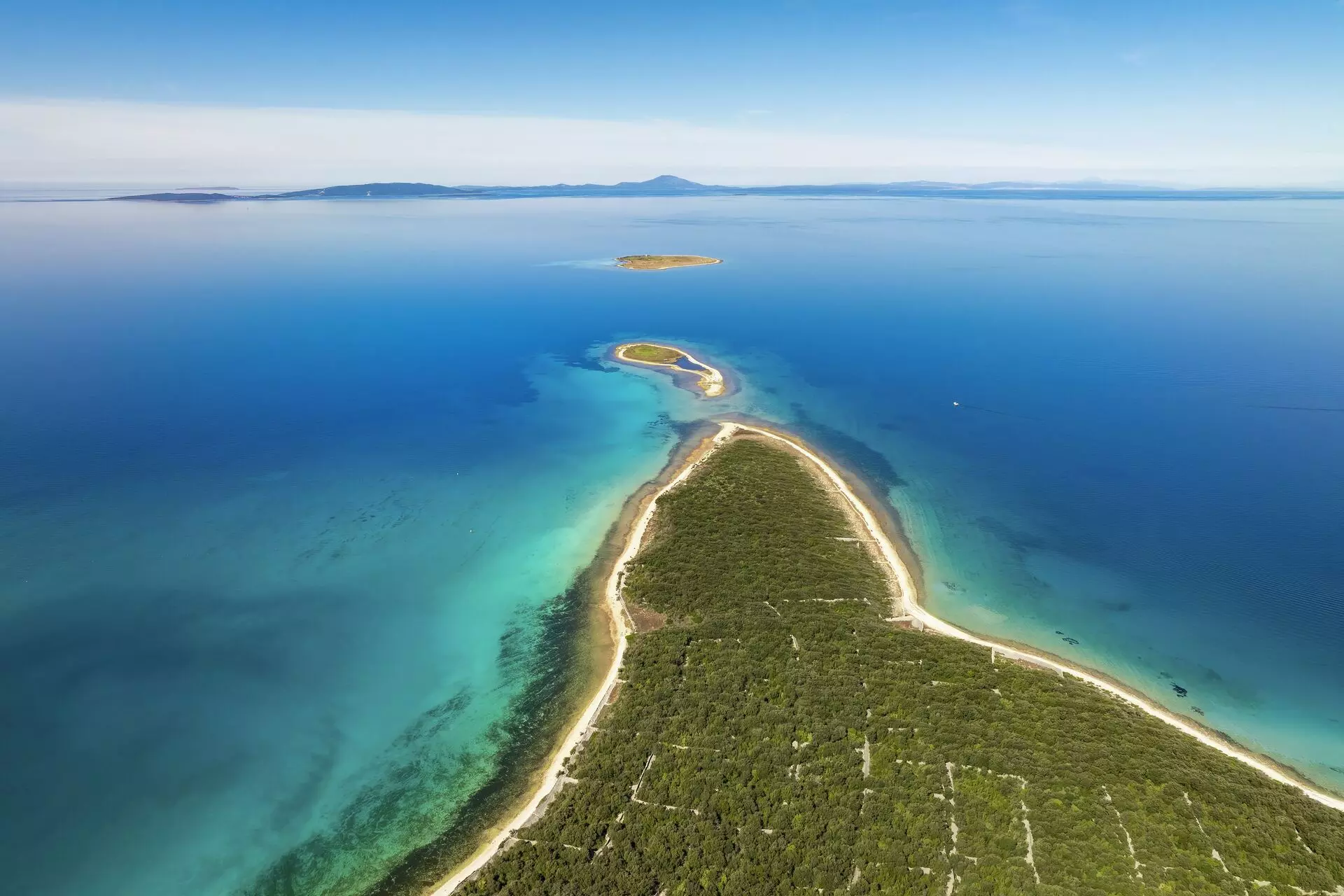
Tucked into the north-west reaches of the Zadar Archipelago, 25 nautical miles west of Zadar, this quietly spectacular island sits surrounded by a constellation of islets, rocks, and lagoons that shelter it from every direction the wind might decide to arrive from. What makes Olib remarkable, and what makes it worth the journey, is precisely all the things it doesn't have: crowds, noise, and the kind of over-touristed polish that has robbed so many Adriatic islands of their character. What it does have is something far harder to find: rare sandy beaches, turquoise shallows, and a pace of life so unhurried it borders on meditative.
This guide covers everything worth knowing about Olib and its neighbouring islands: the lagoons, the beaches, the abandoned island just across the water, and the wider archipelago that makes this stretch of the Croatian coast one of the most rewarding destinations for anyone arriving by sea.
Why Sandy Beaches Make Olib Exceptional
The country's coastline is predominantly defined by stone, pebble, and rock, beautiful in its own way, but not the yielding, golden underfoot experience that Olib offers. The island is said to feature some of the most beautiful sandy beaches on the entire Adriatic, a claim that carries real weight given how unusual the geology is along the coast.
The difference is immediately felt. Wading into a sandy-bottomed bay here, with the sea floor visible several metres down through water that shifts from pale turquoise to deep blue depending on depth, is a different experience altogether from the typical beach. The sand doesn't just sit on the shoreline yet it continues beneath the surface, giving the water a luminous, warm quality that is genuinely hard to describe without resorting to superlatives.
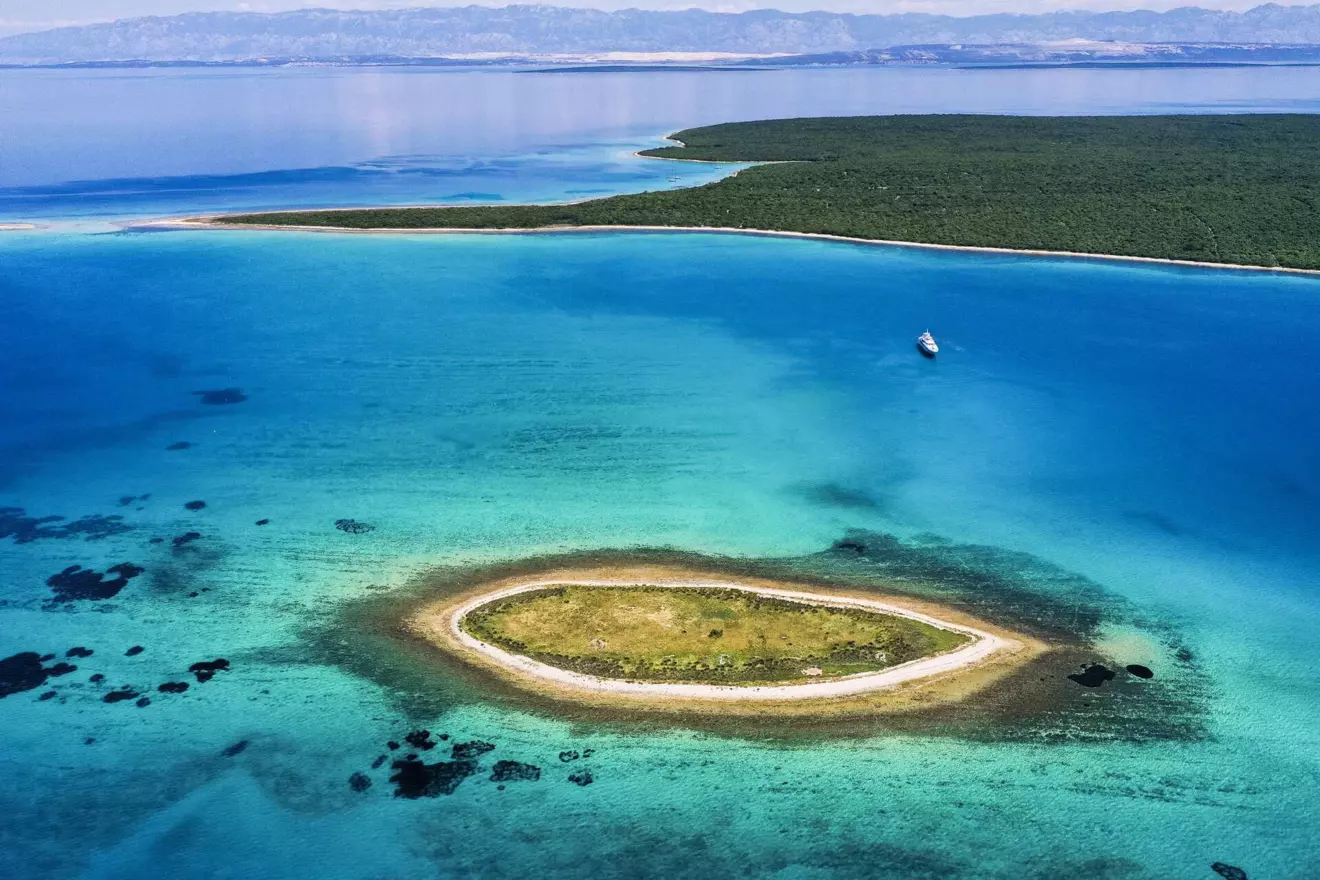
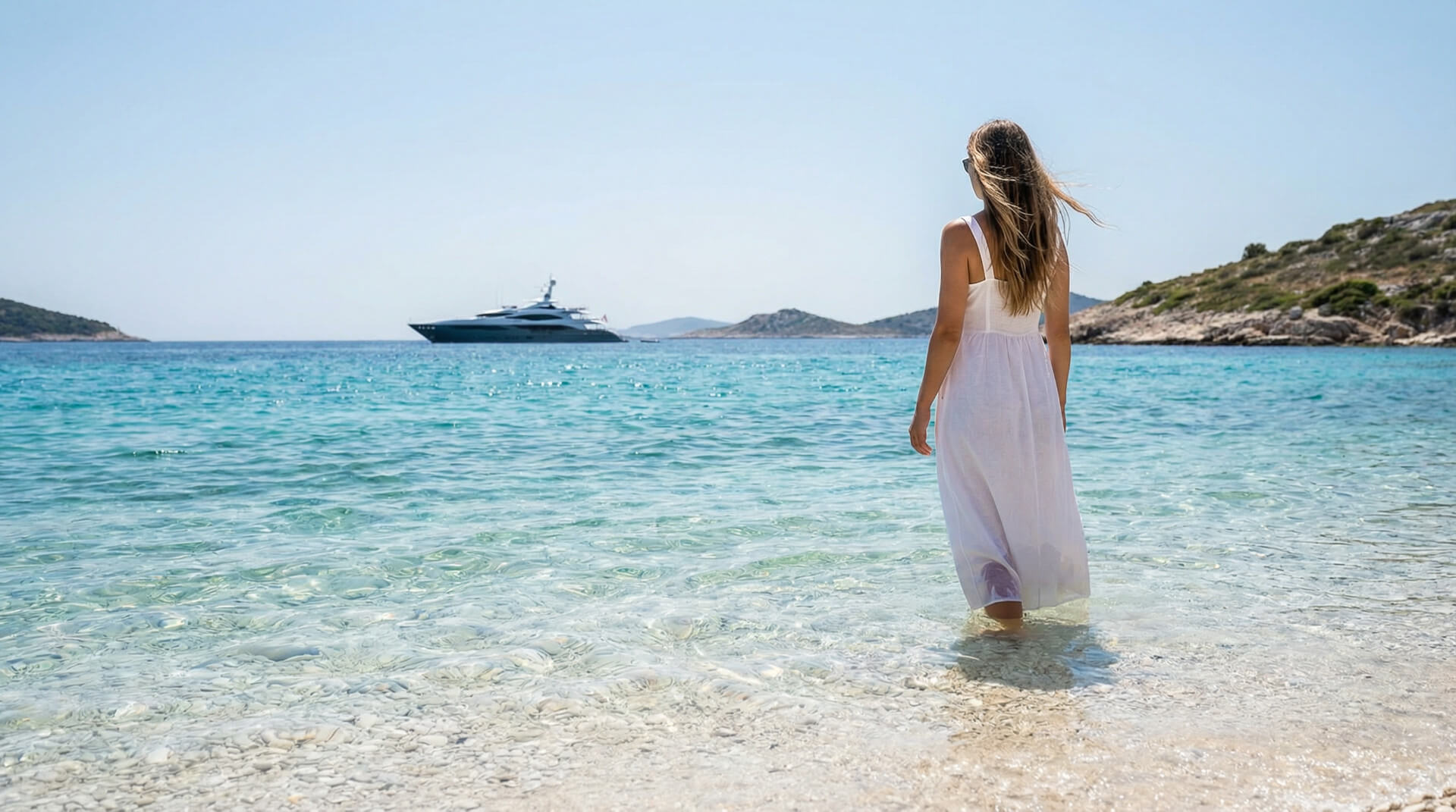
Arriving by a luxury yacht, the practical implications are equally appealing. The islets surrounding Olib create a wide range of coves and lagoons that provide safe shelter against all types of winds, a navigational asset that makes this cluster of islands as useful as it is beautiful.
Slatinica Bay: Where the Adriatic Slows Down
The Approach and First Impressions
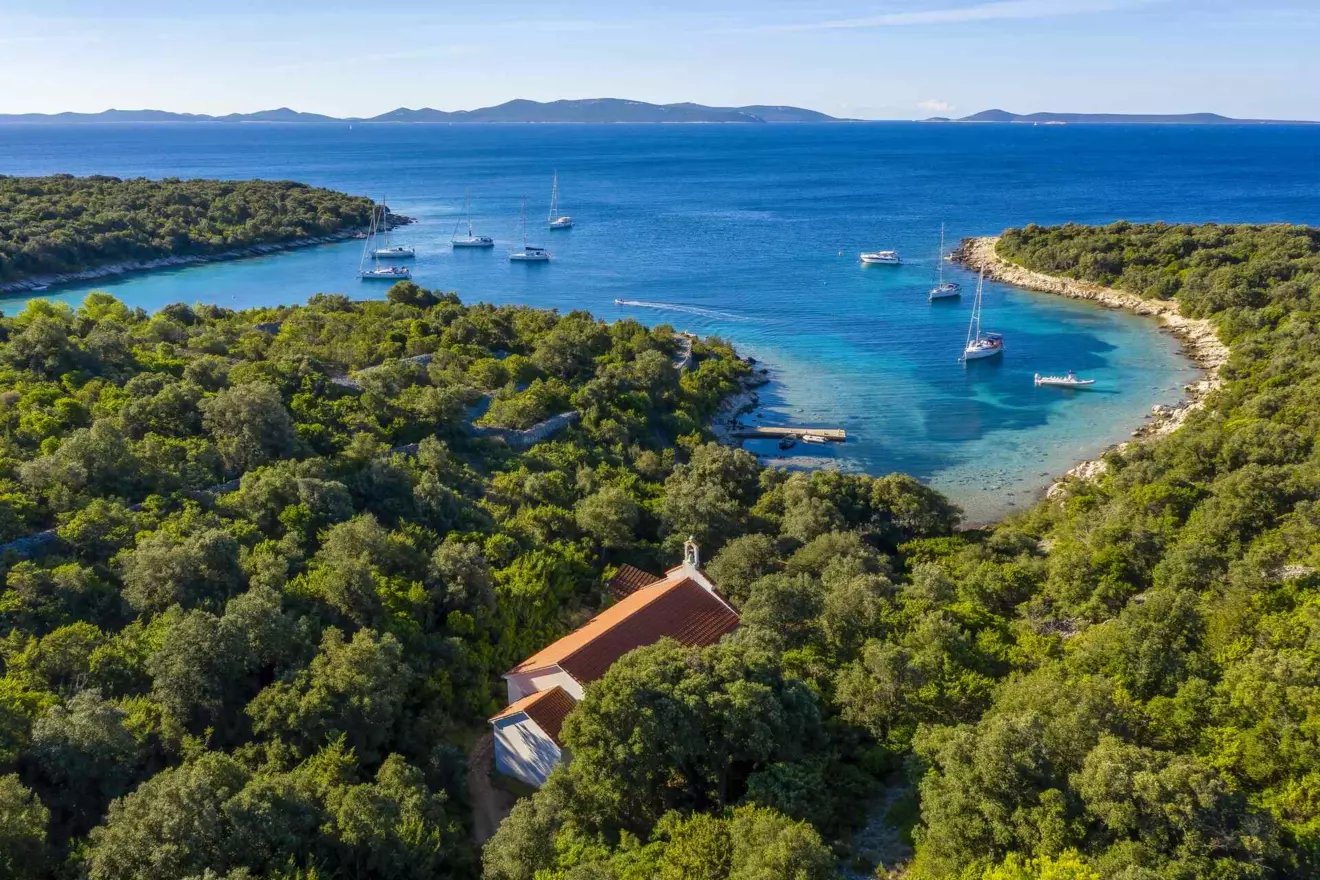
The first bay on any sensible exploration of Olib's western shore is Slatinica. Approachable both by sea and by land, a leisurely walk through the woods from the island's main settlement, Slatinica announces itself as something genuinely untouched. The coastline here is a combination of sand and stone, and crucially, the seabed is sandy, which means that the shallow, warm waters extend well out from the shore without the sudden drop or rocky footing that characterises most Croatian bays.
Slatinica is very shallow, and that shallowness is the whole point. Hours can disappear simply soaking in warm water that barely reaches the waist, with the sun overhead and the view ahead occupied by the imposing silhouette of the island of Pag and, beyond it, the dramatic ridge of Velebit stretching along the mainland horizon.
A Bay That Gives You Privacy
Slatinica is not large, and that is one of its defining qualities. Its size creates a natural intimacy and if you arrive at the right moment, the surrounding landscape feels entirely personal. A cool drink, some seasonal fruit, and the view across the water towards Pag and Velebit: this is a straightforward pleasure, but it is one that most travel itineraries never reach.
The shallow waters also make Slatinica the ideal setting for picigin, the five-player beach game played with a tennis-sized ball that has become the most iconic coastal pastime on the Adriatic. Originating further south but loved across the coast, picigin requires exactly this kind of ankle-deep, sandy, flat calm water to work properly and Slatinica provides it perfectly.
Pro tip: Slatinica can be reached on foot from the settlement of Olib through the woods and that makes a pleasant walk that adds to the sense of discovery of the island.
The Sandy Lagoons of Olib's Southern Shore
Anchorage and Privacy in Equal Measure
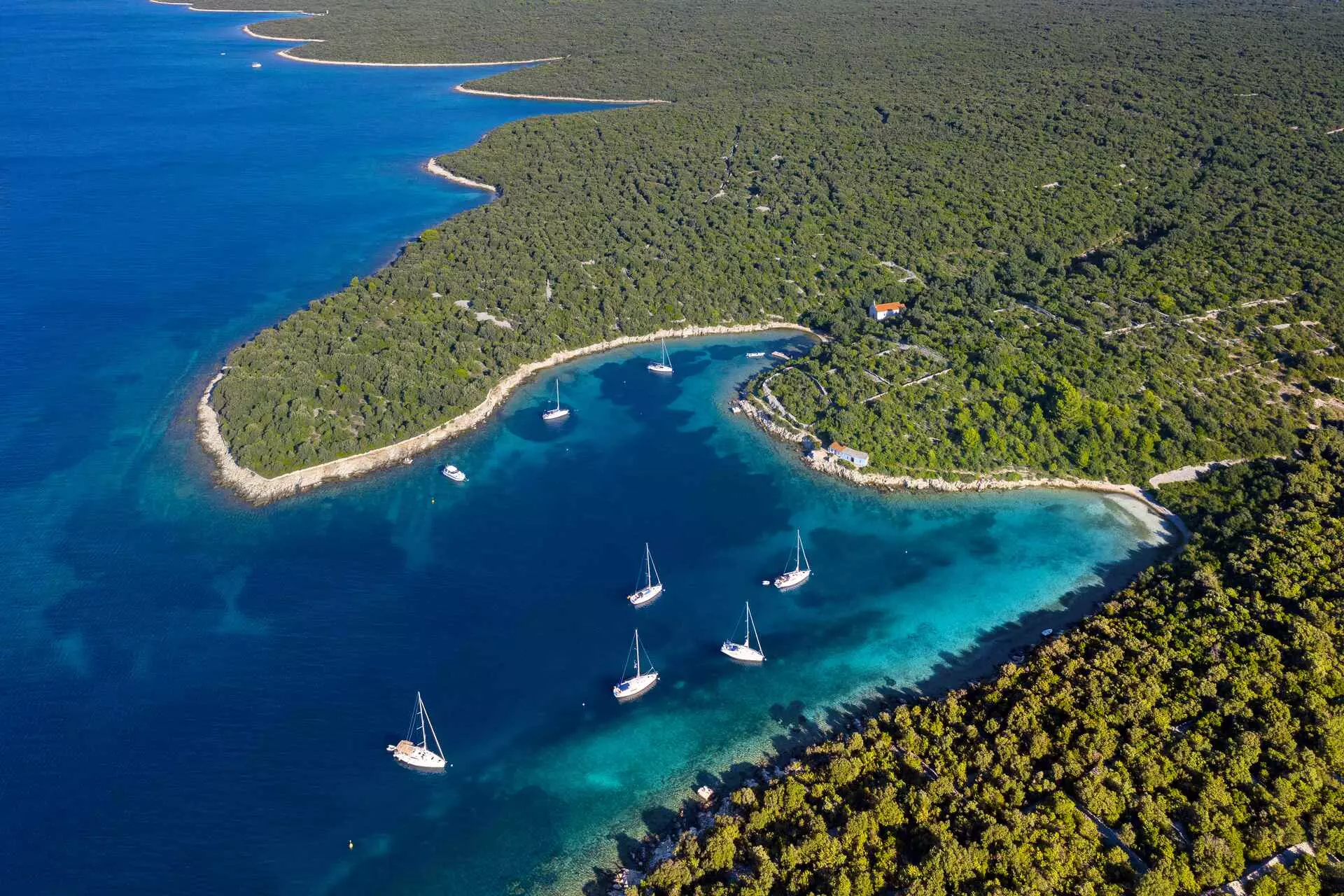
The lagoons on the south side of Olib operate by a different logic. These are smaller, deliberately, it seems, and all of them are sandy. For a yacht at anchor, the combination of size and bottom quality creates something unusually intimate: drop the hook in the right spot, and the lagoon becomes, for all practical purposes, your own private stretch of sea.
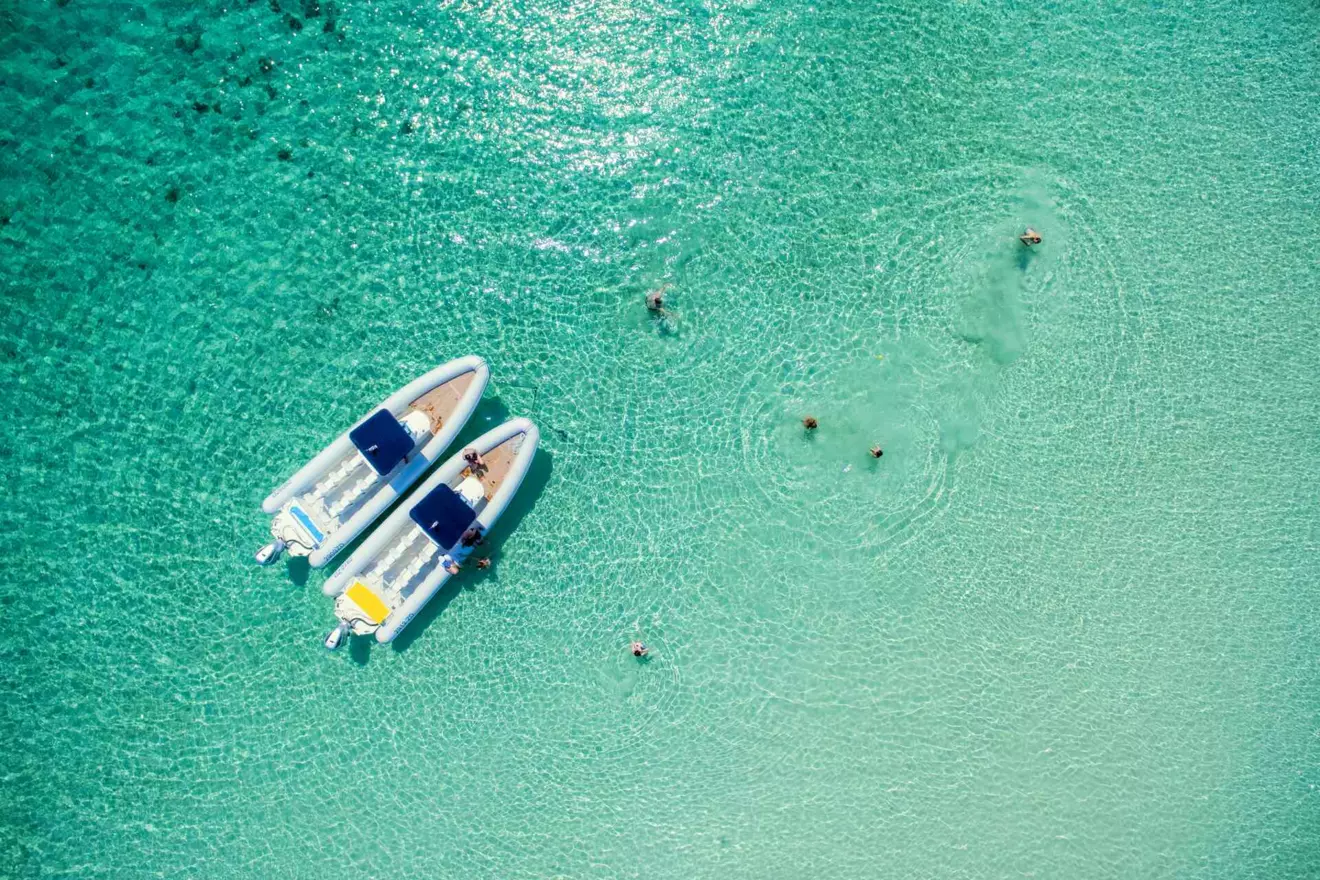
Half a day spent moving between these lagoons, each one offering the same turquoise sea and sandy seabed, each one managing to be mesmerising despite the repetition, is a compelling argument for slowing any itinerary down. This is a small area, but it offers an intensity of natural beauty that is entirely disproportionate to its geography. These are not sweeping panoramas or dramatic cliffs. They are quiet pearls, and they reward the traveller who is prepared to stop rather than sail past.
The Settlement and the Pace of Island Life
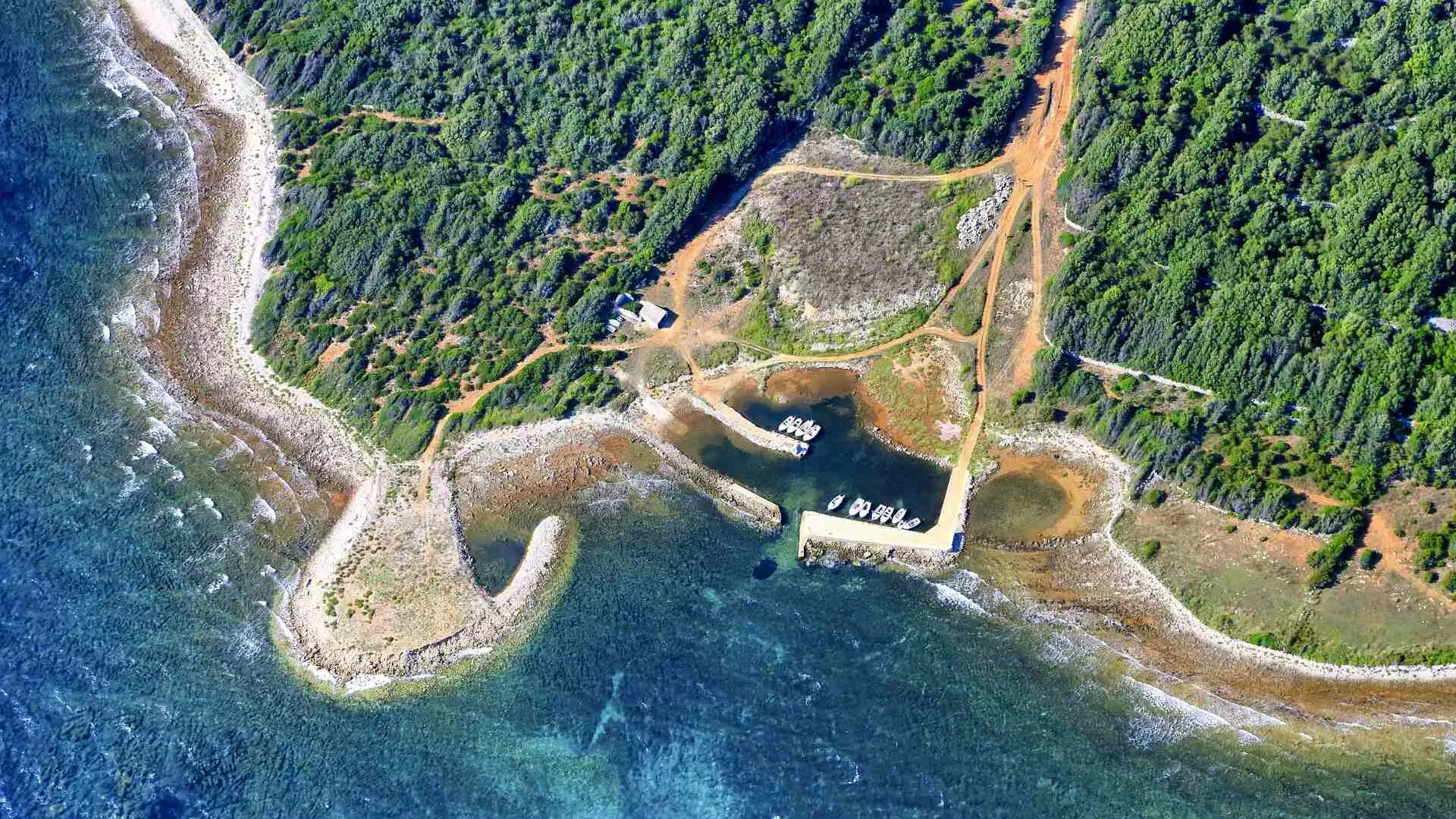
The settlement of Olib itself sits on the south-east side of the island. In winter it is peaceful and serene and the economy here has always been rooted in the land and sea: agriculture, livestock farming, olive-growing, and to a lesser extent fishing, though fishing and seafaring are considered more dominant activities on neighbouring Silba.
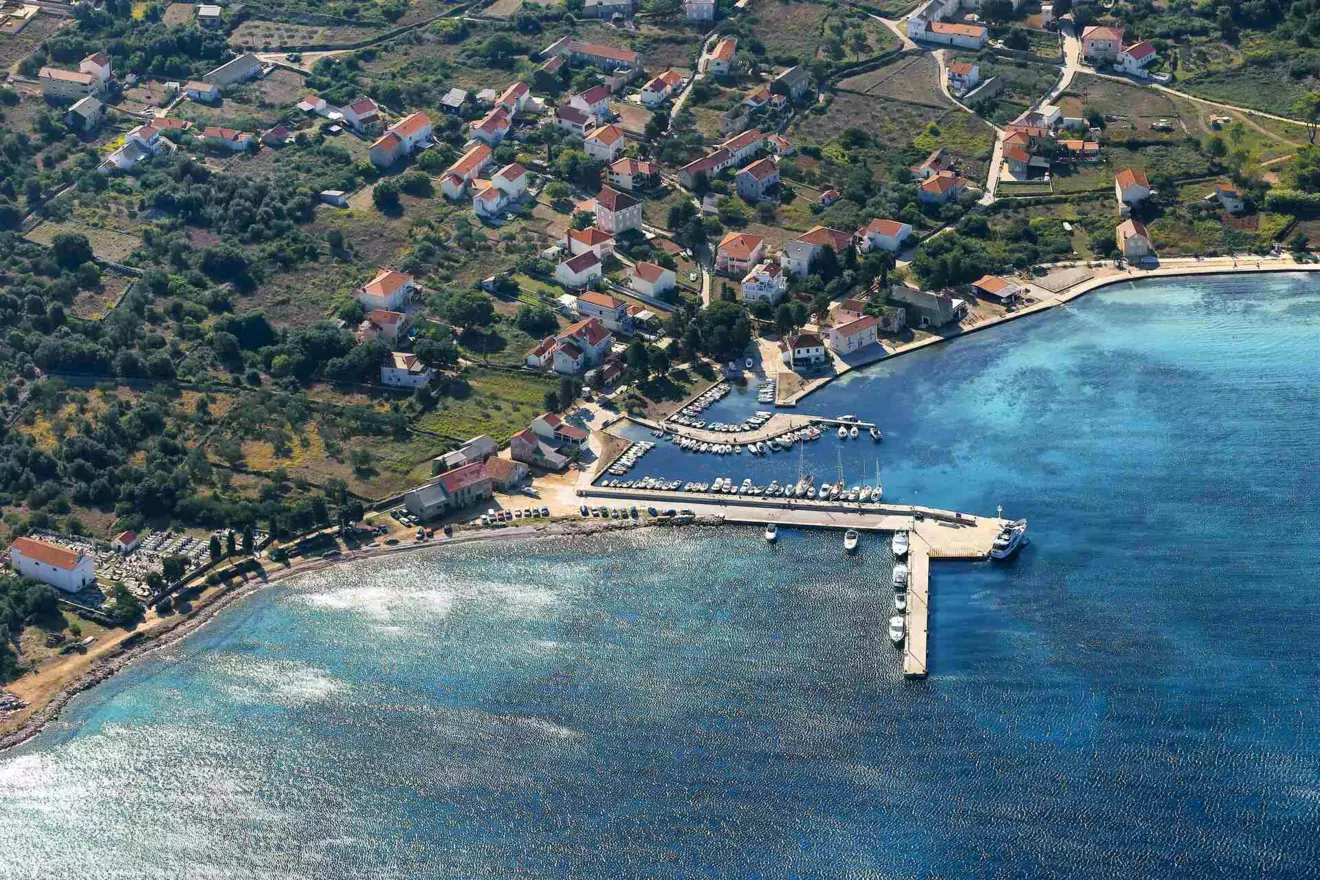
Summer changes the numbers, if not the character. The island's diaspora returns and is easily identified by their preferred mode of transport: golf carts, which have become the islanders' signature vehicle of choice. Alongside a handful of workers on motocultivators, the occasional quad, and postman Denis on his motorbike, the island's traffic remains a gentle footnote rather than a defining feature.
Škarda: The Croatian Island That Time Left Behind
Directly across from Olib lies Škarda, a tiny island that tells a different kind of story. Only sixteen houses stand here, all of them abandoned, and yet abandoned is perhaps too clean a word. The families who left took nothing with them, or so it appears: photographs still hang on the walls, clothes remain in wardrobes, winter food supplies sit undisturbed. An entire domestic history is preserved inside these buildings, left abruptly and completely, as though the island's inhabitants simply walked out one day and never returned.
In winter, Škarda is entirely lifeless. In summer, nature enthusiasts make their way here, drawn precisely by the silence and the sense of a world suspended. The island has found a new identity as a destination for Robinson Crusoe-style tourism, stripped-back, self-reliant, as far from curated comfort as it is possible to get while still being within range of the Croatian coast.
Zlatko Jukaš and the Castle on the Shore
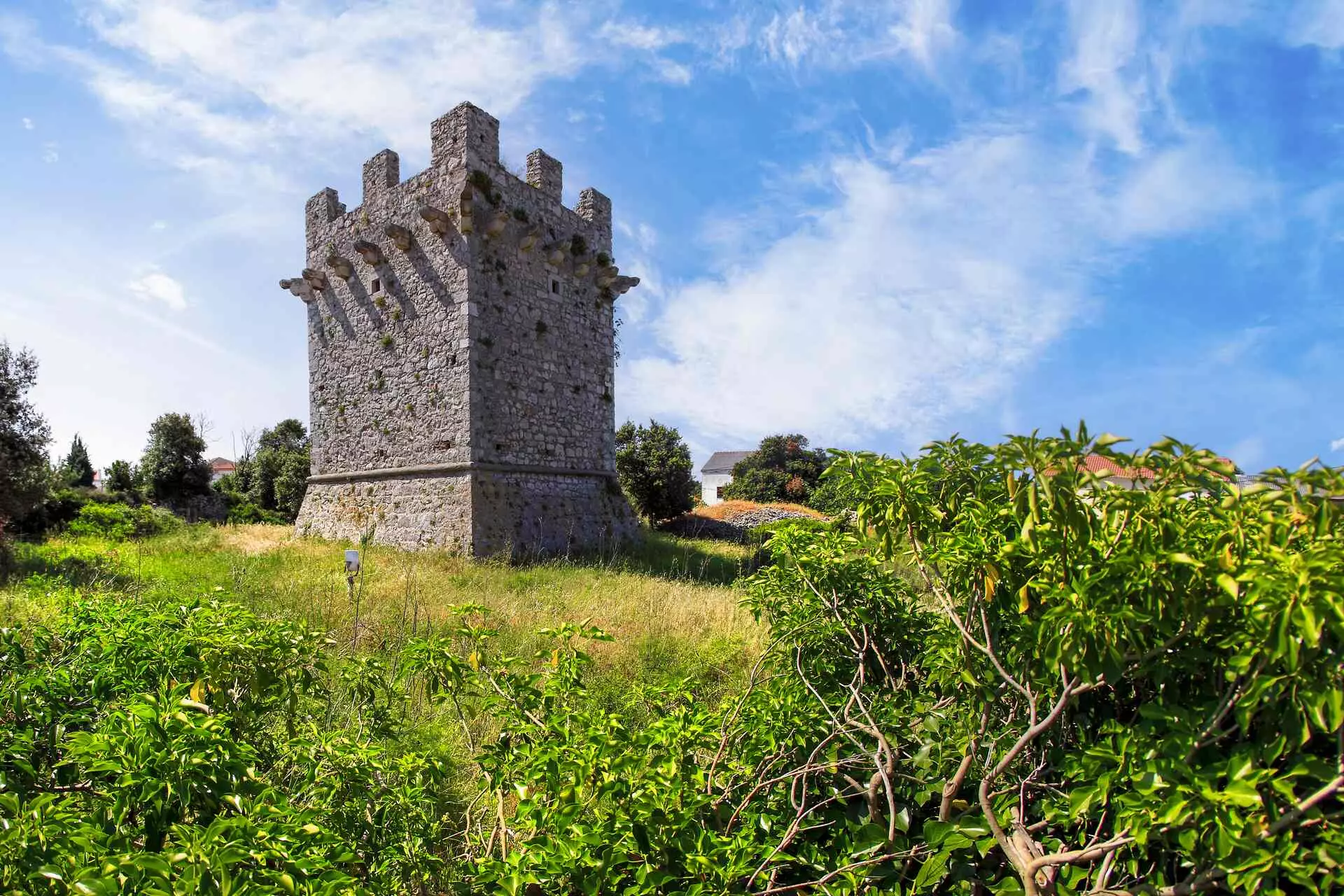
A wide road runs from the sparse cluster of houses on the north-west side of the island towards Gripanca Bay and the privately-owned castles, kaštela in Croatian.
Zlatko Jukaš, the artist responsible for designing the banknote of Croatia's temporary national currency, the Croatian dinar, spent fifteen years as the only permanent inhabitant of Škarda. He lived in a reconstructed kaštel, without a regular water supply, powered entirely by solar energy. Fifteen years of solitude, of living on an island that the rest of the world had quietly decided to leave behind.
Ist: The Butterfly Island at the Heart of the Archipelago
No tour of this part of the Zadar Archipelago is complete without Ist. The island is known colloquially as "the butterfly", a nickname earned by its distinctive shape when seen from above, two connected forms that resemble the paired wings of the insect.
Shape, History, and a Village That Comes Alive
Ist has been a favourite destination of yachtsmen, divers, and fishermen for years, and it is not difficult to understand why. The island combines natural beauty, navigable approaches, and the kind of hospitality that gives a destination genuine character.
Olib as a Day Trip or Cruising Destination
Olib works on multiple timescales. As a day trip from the wider Zadar Archipelago, it offers more than enough. Slatinica, the southern lagoons, the settlement to fill a day completely and leave the impression of somewhere worth returning to. As a stop on a longer cruising itinerary, it functions as the kind of anchor point that slows a journey down in the best possible way.
The surrounding islets and their sheltered coves make it an excellent overnight anchorage for yachts, with the sandy seabed providing reliable holding in conditions where rockier anchorages elsewhere in Croatia might give cause for concern.
The Wider Archipelago as a Single Itinerary
Ist, Premuda, Silba, and Olib sit close enough together to form a coherent island-hopping circuit. Each has a distinct character, Olib for its beaches and lagoons, Škarda for its haunting abandonment and history, Ist for its community, its views, and its navigational variety and the cumulative experience of moving between them over two or three days is considerably richer than visiting any one alone.
Swift dinghies make transfers between anchorages fast enough to cover significant ground without sacrificing the sense of discovery.
The Lasting Impression of Olib and Its Close Islands
There is a particular quality to the north-west Zadar Archipelago that is difficult to name precisely but easy to recognise. It has something to do with scale: the human scale of small settlements, island populations measured in the hundreds or the single digits, lagoons sized for a handful of boats rather than a fleet. And it has something to do with what is absent: the infrastructure of mass tourism, the noise, the sense of somewhere performing its own attractiveness for an audience.
Olib does not perform. Neither does Škarda, or Ist, or the unnamed coves that separate them.
What they offer instead is something rarer on the contemporary Adriatic, it’s an encounter with a landscape and a way of life that still runs on its own logic, its own seasons, its own pace.
If summer brings you to Zadar, the north-west archipelago repays the detour many times over. Go looking for the sandy lagoons and two days will slip by before you've noticed them go.
Photos Boris Kačan, Matija Lipan, Velid Jakupović Gricko, Fabio Šimićev, Mladen Radolović Mrlja/Archive of TZ Zadar and Yachts Croatia